
Embark on a journey through the realm of industrial roofing systems installation, where we delve into the intricacies of various types, planning and preparation, the installation process, and maintenance. This guide aims to provide valuable insights and practical tips for anyone involved in or curious about industrial roofing systems.
Types of Industrial Roofing Systems
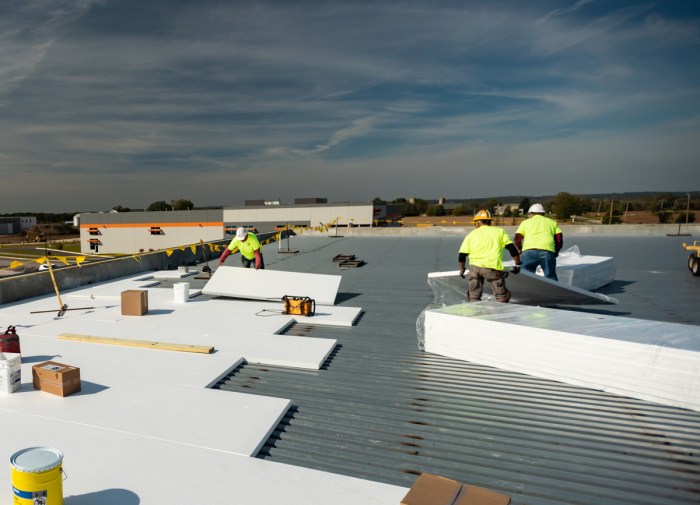
Industrial roofing systems come in various types, each designed to meet specific needs and requirements. Here are some common types used for installations:
Metal Roofing
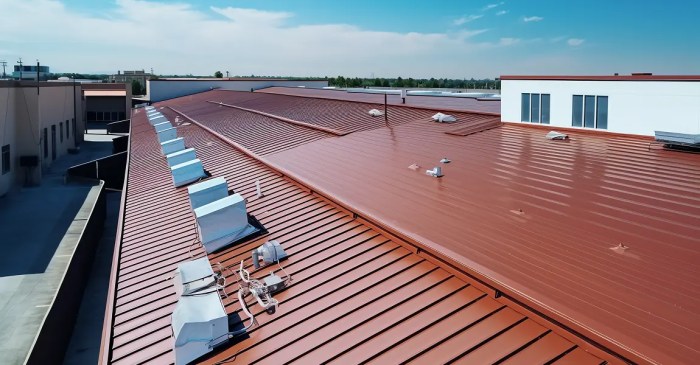
Metal roofing systems are popular for industrial buildings due to their durability and longevity. They are resistant to fire, rot, and pests, making them a low-maintenance option. Metal roofs can be made of steel, aluminum, or copper, providing different levels of strength and aesthetics.
EPDM Roofing
EPDM (ethylene propylene diene terpolymer) roofing is a synthetic rubber roofing membrane known for its durability and weather resistance. It is lightweight, flexible, and easy to install, making it a cost-effective choice for industrial applications. EPDM roofs are also resistant to UV radiation and thermal shock.
TPO Roofing
Thermoplastic Polyolefin (TPO) roofing systems offer a combination of durability, energy efficiency, and ease of installation. TPO roofs are heat-welded at the seams, creating a watertight barrier that can withstand extreme weather conditions. They are also reflective, helping to reduce energy costs by keeping the building cool.
PVC Roofing
Polyvinyl Chloride (PVC) roofing membranes are known for their strength, chemical resistance, and fire-retardant properties. PVC roofs are highly durable and flexible, making them suitable for industrial buildings exposed to harsh environments. They also offer excellent resistance to chemicals and pollutants.
Built-Up Roofing (BUR)
Built-Up Roofing (BUR) systems consist of multiple layers of bitumen and reinforcing fabrics, creating a waterproof membrane. BUR roofs are known for their longevity and ability to withstand heavy foot traffic. They provide excellent insulation and are suitable for industrial buildings with high traffic areas.
Green Roofing
Green roofing systems involve the installation of vegetation and plants on the roof surface, providing environmental benefits such as improved air quality, energy efficiency, and stormwater management. Green roofs can reduce heating and cooling costs, enhance biodiversity, and extend the lifespan of the roof.Each type of industrial roofing system has its own unique characteristics and advantages, making them suitable for different industrial applications based on factors like climate, building design, and budget constraints.
Planning and Preparation
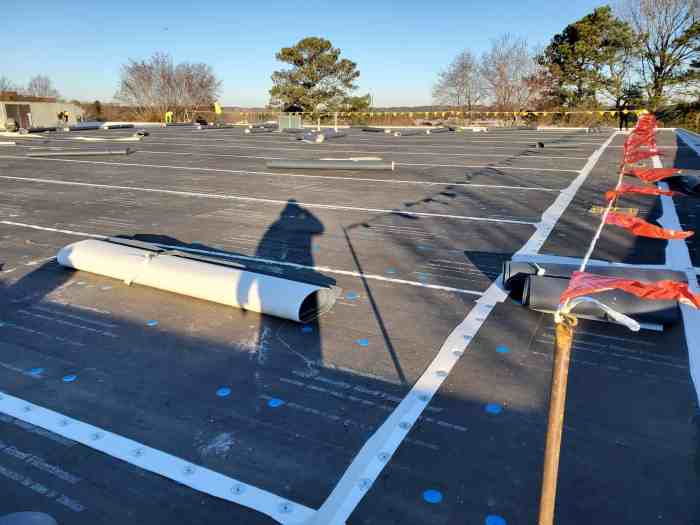
When it comes to planning and preparing for the installation of an industrial roofing system, several crucial steps need to be taken to ensure a successful outcome. From initial assessments to considering weather conditions, each aspect plays a significant role in the overall process.
Initial Steps in Planning
The initial steps in planning for an industrial roofing system installation involve conducting a thorough assessment of the site. This includes evaluating the existing roofing structure, identifying any potential issues or concerns, and determining the specific requirements for the new roofing system.
Additionally, it is essential to establish a timeline for the installation process and allocate resources accordingly.
Importance of Site Assessment
Site assessment before installation is crucial as it helps in identifying any structural weaknesses, potential hazards, or environmental factors that may impact the installation process. By conducting a comprehensive site assessment, roofing contractors can develop a tailored plan that addresses the specific needs of the site, ensuring a durable and long-lasting roofing solution.
Role of Weather Conditions
Weather conditions play a significant role in the planning process for industrial roofing system installation. Factors such as temperature, humidity, and precipitation can impact the adhesive properties of roofing materials, affecting the overall quality of the installation. It is essential to consider weather forecasts and plan the installation accordingly to minimize any potential risks or delays.
Installation Process

Installing an industrial roofing system requires a systematic approach to ensure durability and effectiveness. From preparing the surface to applying the roofing materials, each step is crucial in achieving a successful installation.
Surface Preparation
Before starting the installation process, it is essential to prepare the surface properly. This involves cleaning the roof to remove any debris, dirt, or existing roofing materials. Any repairs or adjustments needed should be addressed at this stage to ensure a smooth surface for the new roofing system.
Application of Underlayment
The next step involves applying the underlayment, which acts as a protective barrier between the roofing materials and the roof deck. This layer helps prevent water infiltration and enhances the overall waterproofing of the industrial roof.
Installation of Roofing Materials
Once the underlayment is in place, the actual roofing materials can be installed. This may include metal panels, single-ply membranes, or other specialized materials depending on the specific requirements of the industrial building. Proper installation techniques are crucial to ensure the longevity and performance of the roofing system.
Finishing Touches
After the roofing materials are securely in place, finishing touches such as sealants, flashings, and edge details are added to enhance the durability and weather resistance of the industrial roof. These final steps are essential in completing the installation process and ensuring a professional finish.
Tools and Equipment Required
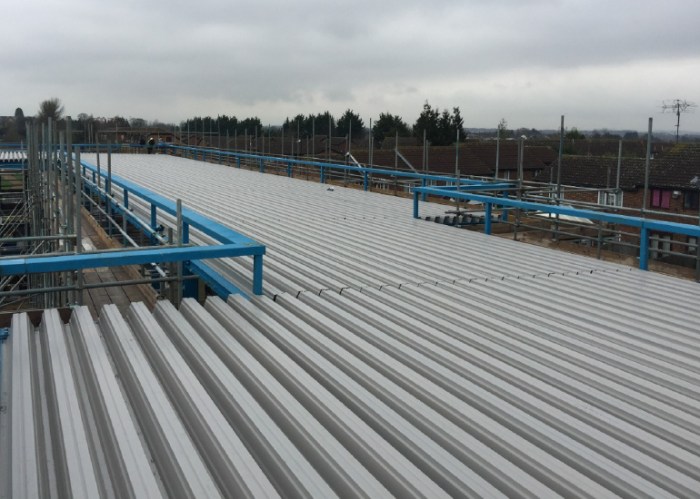
Roofing Tools
- Roofing nail gun
- Safety harness
- Roofing shovel
- Tape measure
- Caulking gun
Equipment
- Ladders
- Roofing materials (metal panels, membranes, etc.)
- Protective gear (gloves, helmets, safety goggles)
- Roofing adhesive
- Sealants and flashing materials
Safety Measures and Precautions
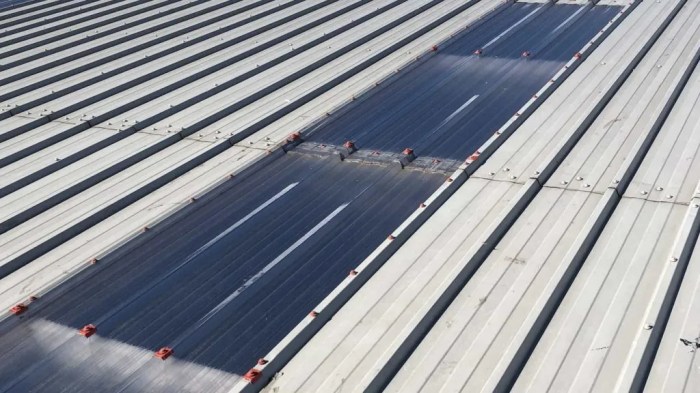
Use of Personal Protective Equipment (PPE)
- Always wear a safety harness when working at heights
- Use gloves, helmets, and safety goggles to protect against injuries
Adherence to Safety Guidelines
- Follow manufacturer's instructions for all tools and equipment
- Avoid working on wet or slippery surfaces
- Never work alone on a roofing project
Regular Inspections
Regularly inspect the roof for any signs of damage or wear and tear to prevent accidents and ensure the longevity of the roofing system.
Maintenance and Repair
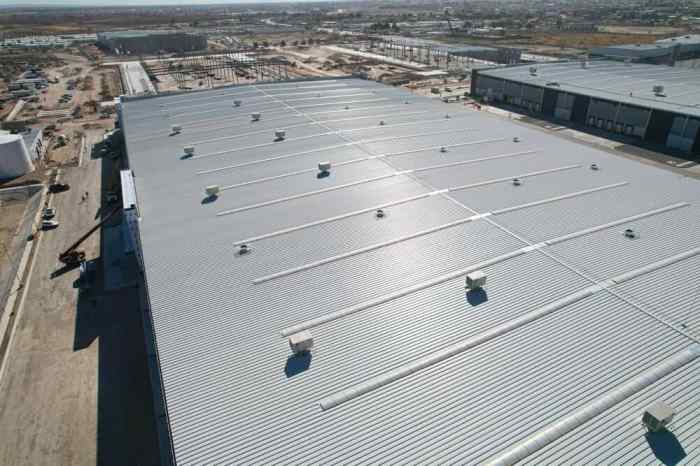
Regular maintenance and timely repairs are crucial to ensuring the longevity and performance of industrial roofing systems post-installation. By addressing issues promptly and conducting routine inspections, potential problems can be identified and resolved before they escalate.
Maintenance Requirements
- Clearing debris: Regularly remove leaves, branches, and other debris to prevent clogging of drainage systems and potential water damage.
- Inspecting seals and seams: Check for any signs of wear or damage in the seals and seams, as they are vulnerable areas for leaks.
- Checking for ponding water: Ensure proper drainage to prevent ponding water, which can lead to structural damage and leaks.
- Trimming nearby trees: Trim branches that may come in contact with the roof to prevent damage and debris accumulation.
Common Issues and Solutions
- Leaks: Address leaks promptly by identifying the source and repairing the damaged area with appropriate materials.
- Punctures and tears: Patch up punctures and tears in the roofing membrane to prevent water infiltration.
- Blow-offs: Secure loose or lifted roofing materials to prevent blow-offs during high winds.
- Blisters and bubbles: Address blistering and bubbling by releasing trapped air and smoothing out the affected area.
Importance of Regular Inspections
Regular inspections play a vital role in identifying potential issues early on and preventing costly repairs down the line. By conducting inspections at least twice a year, property owners can ensure that their industrial roofing systems remain in top condition and continue to provide reliable protection against the elements.
Conclusion
In conclusion, understanding the nuances of industrial roofing systems installation is crucial for ensuring the longevity and efficiency of these structures. By following the guidelines Artikeld in this comprehensive guide, you can navigate the complexities of installation, maintenance, and repair with confidence and expertise.
Essential Questionnaire
What are the most common types of industrial roofing systems?
Common types include metal roofing, EPDM roofing, TPO roofing, and built-up roofing. Each type has its own characteristics and advantages depending on the industrial application.
Why is site assessment important before installing an industrial roofing system?
Site assessment helps in determining factors like load-bearing capacity, drainage requirements, and structural integrity, ensuring a successful installation process.
What are some common maintenance issues with industrial roofing systems?
Common issues include leaks, punctures, and membrane damage. Regular inspections and timely repairs are essential to prevent these issues from escalating.