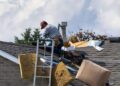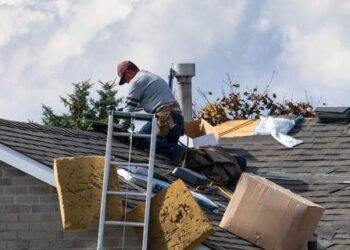

Exploring the realm of industrial roof leak repair, this introduction aims to shed light on the common causes, detection methods, and maintenance practices essential for the upkeep of industrial roofs. From the importance of timely repairs to the risks of neglecting leaks, this topic delves into crucial aspects necessary for preserving the structural integrity of industrial buildings.
As we delve deeper into the intricacies of industrial roof leak repair, readers will gain valuable insights into the inspection process, repair methods, and maintenance practices that play a vital role in ensuring the longevity and efficiency of industrial roofs.
Industrial Roof Leak Repair Overview
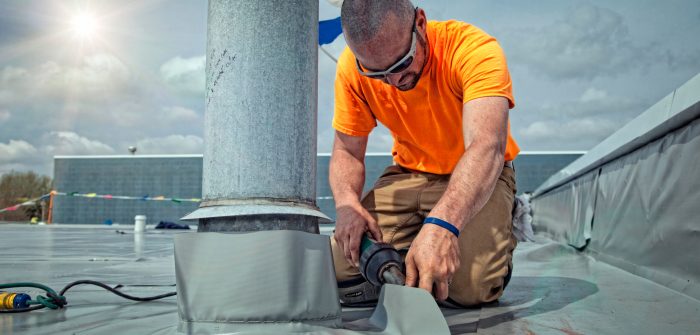
Industrial roof leaks can be caused by various factors, including age, weather conditions, poor maintenance, and structural damage. Timely repair is crucial in industrial settings to prevent further damage to the building and its contents. Ignoring roof leaks in industrial buildings can lead to costly repairs, health and safety hazards, and production downtime.
Common Causes of Industrial Roof Leaks
- Weather damage, such as heavy rain, snow, or hail
- Aging of roofing materials
- Poor installation or maintenance
- Structural issues, such as cracks or gaps
Importance of Timely Repair in Industrial Settings
Timely repair of industrial roof leaks is essential to prevent water damage to equipment, inventory, and machinery. It also helps maintain a safe working environment for employees and prevents potential production delays. Addressing roof leaks promptly can extend the lifespan of the roof and reduce overall maintenance costs.
Potential Risks of Ignoring Roof Leaks in Industrial Buildings
- Structural damage to the building
- Mold growth and indoor air quality issues
- Electrical hazards and fire risks
- Damage to equipment and inventory
Inspection and Detection
Inspection and detection are crucial steps in identifying and repairing roof leaks in industrial buildings. By carefully examining the roof and using the right tools and techniques, potential issues can be identified and addressed promptly.
Inspecting an Industrial Roof for Leaks
When inspecting an industrial roof for leaks, professionals typically start by visually examining the entire surface of the roof. This includes looking for cracks, holes, blistering, ponding water, or any other visible signs of damage. They may also inspect the interior of the building for any water stains, mold growth, or other indicators of a leak.
Tools and Techniques for Detecting Roof Leaks
Roofing professionals use a variety of tools and techniques to detect roof leaks in industrial environments. Some common tools include infrared cameras to identify temperature differences that may indicate moisture, moisture meters to measure the level of moisture in the roof materials, and drones for aerial inspections.
Techniques such as core sampling, smoke testing, and electronic leak detection are also used to pinpoint the exact location of a leak.
Signs of a Roof Leak in an Industrial Building
- Water stains on the ceiling or walls
- Mold or mildew growth
- Dripping water or puddles on the floor
- Musty odors
- Sagging ceiling tiles or roof deck
- Increased energy bills due to compromised insulation
- Visible damage to the roof surface such as cracks or bubbles
Repair Methods
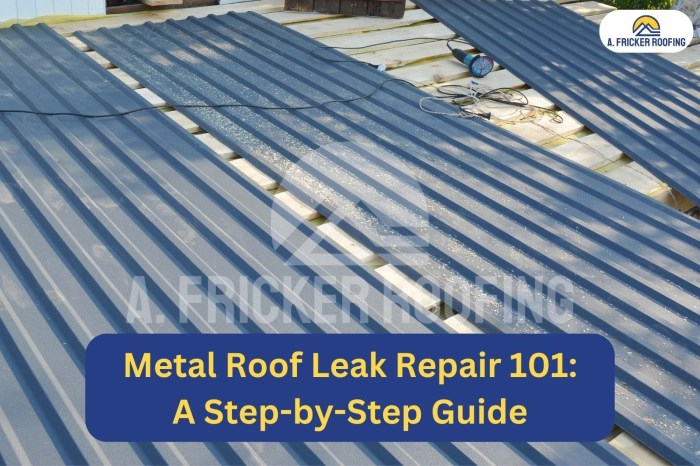
When it comes to repairing industrial roof leaks, there are several methods that can be employed based on the extent of the damage and the specific requirements of the roof. The choice of repair method is crucial in ensuring the longevity and effectiveness of the solution.
Types of Repair Methods
- Patching: Patching involves applying a patch or sealant to the damaged area of the roof to prevent water infiltration. This method is often used for minor leaks and can provide a temporary solution.
- Sealing: Sealing is a more comprehensive approach that involves applying a waterproof sealant or coating to the entire roof surface. This method is effective in preventing leaks and can offer long-term protection.
- Membrane Replacement: In cases where the roof membrane is extensively damaged, replacing the membrane may be necessary. This involves removing the old membrane and installing a new one to ensure proper waterproofing.
Factors Influencing Repair Method
- Extent of Damage: The severity of the damage plays a significant role in determining the appropriate repair method. Minor leaks may only require patching, while extensive damage may necessitate membrane replacement.
- Roof Material: The type of roofing material used can also influence the choice of repair method. Different materials may require specific repair techniques to ensure proper sealing and waterproofing.
- Budget Constraints: Budget limitations can impact the repair method chosen, as more extensive methods like membrane replacement may be costlier than simple patching or sealing.
Temporary Solutions vs. Permanent Fixes
- Temporary Solutions: Temporary solutions like patching or sealing are quick fixes that address the immediate issue but may not provide long-term protection. These solutions are often used as temporary measures until a more permanent fix can be implemented.
- Permanent Fixes: Permanent fixes such as membrane replacement offer a more long-lasting solution to industrial roof leaks. While they may require a higher upfront cost, they provide greater durability and longevity in preventing future leaks.
Maintenance Practices
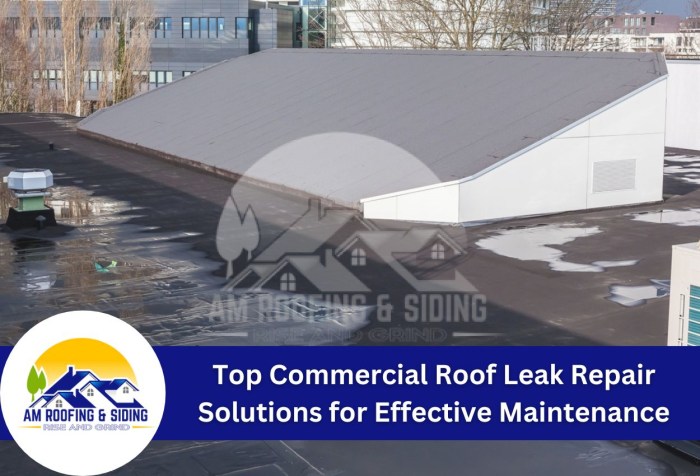
Maintaining industrial roofs is crucial in preventing leaks and ensuring the longevity of the facility. Regular inspections and proper maintenance play a significant role in identifying issues early on and addressing them before they escalate into costly repairs. Here are some best practices to help extend the lifespan of an industrial roof and prevent leaks:
Regular Inspections
Regular inspections are key to identifying potential issues before they become major problems. Inspect the roof at least twice a year, ideally in the spring and fall, to check for any signs of damage, wear, or debris buildup. Look for cracked or missing shingles, pooling water, or any other areas of concern.
- Inspect the roof after severe weather events such as storms or heavy snowfall.
- Check for signs of water stains on the ceiling inside the building, which can indicate a roof leak.
- Ensure that roof drains and gutters are clear of debris to prevent water buildup.
Early detection of issues through regular inspections can help prevent costly repairs down the line.
Proper Maintenance Practices
In addition to regular inspections, proper maintenance practices can help extend the lifespan of an industrial roof and prevent leaks.
- Trim overhanging branches to prevent damage from falling debris.
- Repair any damaged or missing shingles promptly to prevent water infiltration.
- Ensure that rooftop equipment is properly maintained and does not cause damage to the roof.
Regular maintenance can help address minor issues before they escalate into major problems, saving time and money in the long run.
Closing Summary

In conclusion, industrial roof leak repair is not just a necessity but a crucial aspect of maintaining a safe and functional industrial environment. By understanding the causes of leaks, employing effective detection methods, and implementing proper maintenance practices, businesses can safeguard their investments and operations against the detrimental effects of roof leaks.
Q&A
What are some common causes of industrial roof leaks?
Common causes include poor installation, weather damage, lack of maintenance, and aging materials.
How can I detect a roof leak in an industrial building?
Look for signs like water stains, mold growth, or dripping water in the building.
What factors influence the choice of repair method for industrial roofs?
Factors include the extent of damage, budget constraints, and the type of roofing material.
What are some best practices for maintaining industrial roofs to prevent leaks?
Regular inspections, prompt repairs, and keeping gutters clean are essential maintenance practices.
Are temporary solutions effective for industrial roof leaks?
Temporary solutions can provide short-term relief but may not address the root cause of the leak.