
Exploring the realm of affordable metal roofing systems unveils a world of cost-effective and durable solutions for your roofing needs. Dive into this engaging discussion with a blend of informative insights and practical tips.
Providing a detailed breakdown of the various types of metal roofing materials, installation processes, maintenance tips, and energy efficiency benefits, this guide aims to equip you with essential knowledge to make informed decisions.
Introduction to Affordable Metal Roofing Systems
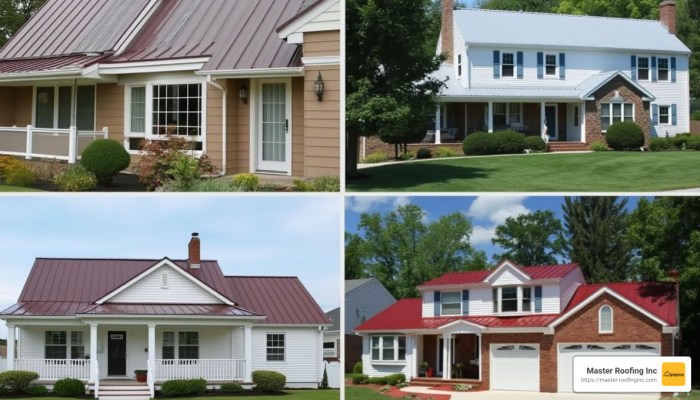
Metal roofing systems are roofing solutions made from metal materials such as steel, aluminum, or copper. These systems are known for their durability, longevity, and resistance to weather elements.Affordability is a crucial factor when it comes to roofing solutions, as it ensures that homeowners can invest in a quality roof without breaking the bank.
Metal roofing systems offer a cost-effective option compared to traditional roofing materials like asphalt or wood.
Benefits of Choosing Metal Roofing Systems
Metal roofing systems offer several advantages over other materials, making them a popular choice for homeowners. Some of the key benefits include:
- Longevity: Metal roofs have a longer lifespan compared to other materials, lasting up to 50 years or more with proper maintenance.
- Durability: Metal roofs are resistant to fire, rot, and pests, making them a durable option for homeowners.
- Energy Efficiency: Metal roofs can reflect solar heat, reducing cooling costs in the summer and providing better insulation in the winter.
- Environmentally Friendly: Metal roofing materials are often made from recycled materials and can be recycled at the end of their lifespan, making them a sustainable choice.
Types of Metal Roofing Materials
When it comes to metal roofing materials, there are several options available, each with its own unique characteristics and cost-effectiveness. Let's explore some of the most common types:
1. Steel Roofing
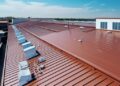
Steel roofing is one of the most popular choices due to its durability and affordability. It is often used in residential and commercial projects where cost is a primary concern, such as warehouses, agricultural buildings, and residential homes in need of a budget-friendly option.
2. Aluminum Roofing
Aluminum roofing is known for its lightweight nature and resistance to corrosion, making it a popular choice for coastal areas or regions with high humidity. While it may be a bit more expensive than steel, its longevity and low maintenance requirements make it a cost-effective option in the long run.
3. Copper Roofing
Copper roofing is a premium option known for its beauty and longevity. While it comes with a higher price tag compared to steel and aluminum, copper roofs can last for over 100 years with proper maintenance. They are commonly used in historic buildings, churches, and upscale residential projects.
4. Zinc Roofing
Zinc roofing is a sustainable and environmentally friendly option that offers excellent corrosion resistance and a distinct aesthetic appeal. While the initial cost may be higher than steel or aluminum, zinc roofs require very little maintenance and can last for decades, making them a cost-effective choice over time.
Installation Process of Affordable Metal Roofing Systems
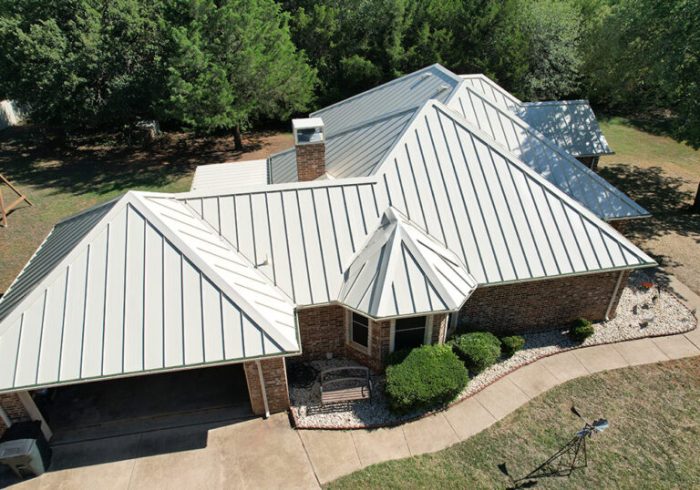
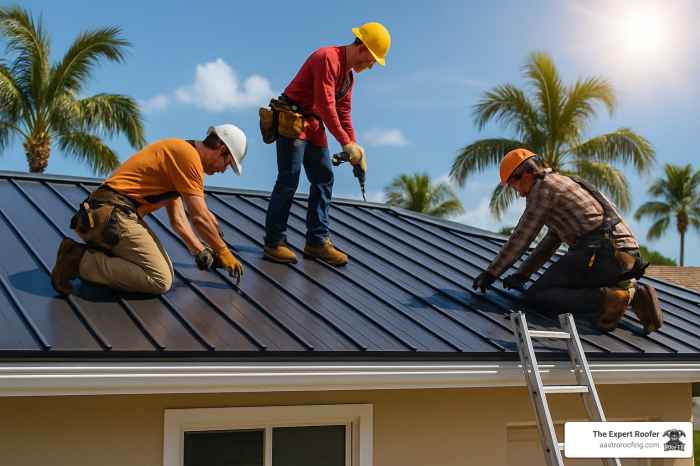
Metal roofing systems are a popular choice for their durability and longevity. The installation process can vary depending on the type of metal roofing material being used, but there are some general steps that are typically involved.When installing affordable metal roofing systems, it is important to have the right tools and equipment on hand to ensure a smooth and efficient installation process.
Here are some of the tools and equipment that may be required:
Tools and Equipment Required for Installation
- Roofing nails
- Screws
- Roofing felt
- Roofing underlayment
- Metal roofing panels
- Sealant
- Roofing hammer
- Roofing nail gun
- Roofing screws gun
- Caulk gun
- Measuring tape
- Roofing safety harness
It is essential to follow the manufacturer's instructions and guidelines for the specific type of metal roofing material being installed. This ensures that the installation is done correctly and will help prevent any issues in the future.When installing metal roofing systems, it is important to work carefully and methodically to ensure a cost-effective installation process.
Here are some tips to help achieve this:
Tips for Ensuring a Cost-Effective Installation Process
- Plan the installation carefully and measure accurately to minimize waste.
- Consider hiring a professional roofer with experience in installing metal roofing systems.
- Ensure the roof deck is in good condition and able to support the weight of the metal roofing material.
- Properly seal all seams and edges to prevent water infiltration.
- Regularly inspect and maintain the metal roofing system to prolong its lifespan and avoid costly repairs.
Maintenance and Longevity of Metal Roofing Systems
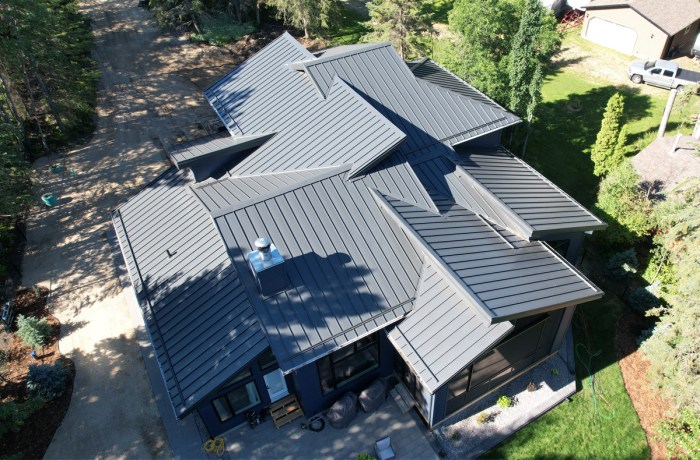
Regular maintenance is key to extending the lifespan of metal roofing systems. By performing routine upkeep tasks, homeowners can ensure that their metal roofs remain in top condition for years to come, ultimately contributing to the affordability of this roofing option.
Regular Inspections and Cleaning
- Regular inspections to identify any signs of damage, such as rust or loose screws, can prevent minor issues from escalating into costly repairs.
- Cleaning the metal roof to remove debris, leaves, and other build-up can prevent water pooling and potential water damage.
- Checking for and addressing any sealant or coating damage can help maintain the roof's protective layers and prevent corrosion.
Preventive Measures
- Trimming overhanging branches to prevent damage from falling limbs or debris during storms.
- Ensuring proper attic ventilation to prevent moisture build-up and condensation, which can lead to corrosion.
- Checking and maintaining gutters and downspouts to ensure proper drainage and prevent water damage to the roof and surrounding structure.
Prompt Repairs
- Addressing small issues promptly, such as loose screws or damaged panels, can prevent further damage and costly repairs down the line.
- Seeking professional help for more complex repairs or issues can ensure that the metal roof is properly maintained and its longevity is preserved.
Energy Efficiency and Sustainability of Metal Roofing Systems
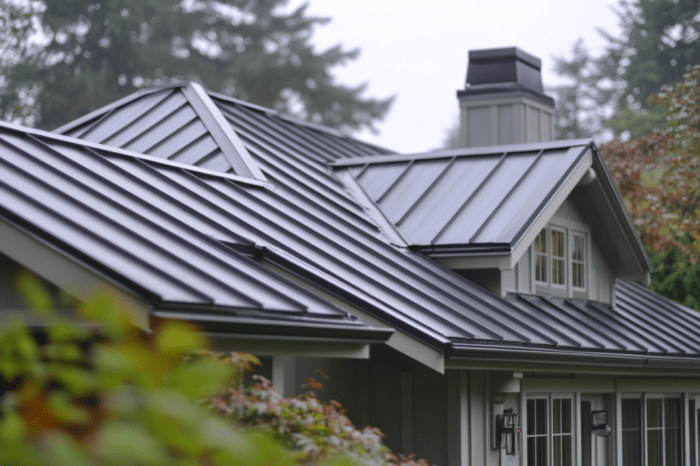
Metal roofing systems offer significant energy-saving benefits due to their reflective properties, which help reduce heat absorption and lower cooling costs for buildings. Additionally, the long lifespan of metal roofs reduces the need for frequent replacements, further contributing to energy efficiency.
Sustainable Practices in Manufacturing
Metal roofing systems are often made from recycled materials, such as aluminum or steel, which helps reduce the environmental impact of manufacturing. The production process also involves minimal waste generation and energy consumption, making metal roofs a sustainable choice for eco-conscious consumers.
Green Building Certifications
Metal roofing systems can contribute to achieving green building certifications like LEED (Leadership in Energy and Environmental Design) due to their energy-efficient properties and sustainable manufacturing practices. By installing a metal roof, building owners can improve their overall environmental performance and potentially qualify for green building certifications, showcasing their commitment to sustainability.
Closure
In conclusion, affordable metal roofing systems offer a sustainable and energy-efficient choice for homeowners, combining durability with cost-effectiveness. Embrace the future of roofing with these innovative solutions that promise longevity and environmental benefits.
FAQ Resource
What are the common types of metal roofing materials?
Common types include steel, aluminum, copper, and zinc, each with unique characteristics and costs.
How can regular maintenance help extend the lifespan of metal roofing systems?
Regular inspections, cleaning debris, and addressing minor issues promptly can prevent costly repairs and prolong the roof's life.
Are metal roofing systems environmentally friendly?
Yes, metal roofing is sustainable, recyclable, and can contribute to energy efficiency in buildings, making it an eco-friendly choice.