
Embark on a journey into the realm of sustainable commercial roofing, where innovation and eco-conscious practices converge to shape the future of the roofing industry. This captivating discussion will delve into the significance of sustainable practices, the array of eco-friendly materials available, best installation and maintenance practices, environmental impact, energy efficiency, and the latest technological advancements in the field.
Join us as we explore the possibilities of creating a greener and more sustainable built environment through sustainable commercial roofing solutions.
Introduction to Sustainable Commercial Roofing
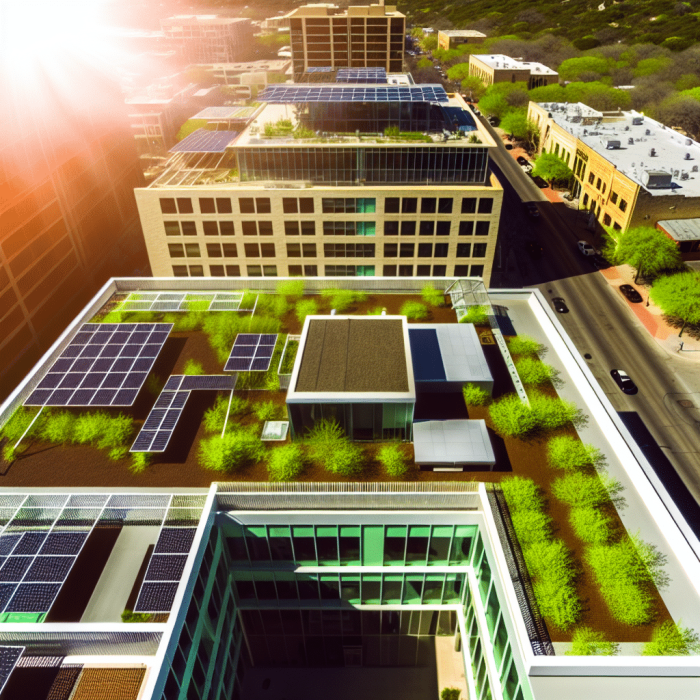
Sustainable commercial roofing refers to the use of eco-friendly materials and practices in the construction, maintenance, and repair of commercial roofs. These practices aim to minimize environmental impact, conserve energy, and promote long-term durability.
The roofing industry plays a significant role in sustainable development due to its impact on energy consumption, waste generation, and carbon emissions. By adopting sustainable practices, the industry can contribute to a healthier environment and a more resilient infrastructure.
Importance of Sustainable Practices in the Roofing Industry
Sustainable practices in the roofing industry are essential for reducing the carbon footprint, improving energy efficiency, and promoting environmental stewardship. By incorporating sustainable materials and techniques, roofing companies can help mitigate climate change and protect natural resources.
- Reduced Energy Consumption: Sustainable roofing solutions, such as cool roofs and green roofs, can help reduce energy consumption by improving insulation and reflecting sunlight.
- Waste Reduction: Sustainable roofing practices focus on minimizing waste generation and promoting recycling, leading to a more efficient use of materials and resources.
- Long-Term Cost Savings: While initial costs of sustainable roofing may be higher, the long-term savings from reduced energy bills, maintenance, and repairs make it a cost-effective investment.
Benefits of Opting for Sustainable Commercial Roofing Solutions
Choosing sustainable commercial roofing solutions offers various benefits for building owners, occupants, and the environment. These benefits include:
- Environmental Protection: Sustainable roofing helps reduce carbon emissions, minimize waste, and support biodiversity, contributing to a healthier ecosystem.
- Energy Efficiency: Sustainable roofs can lower energy consumption, improve indoor comfort, and reduce reliance on heating and cooling systems.
- Enhanced Durability: Sustainable roofing materials are often more durable and resistant to weathering, leading to longer lifespan and reduced maintenance needs.
Types of Sustainable Roofing Materials
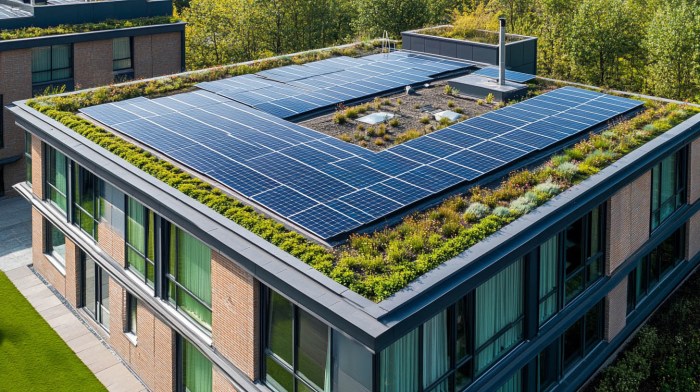
When it comes to sustainable roofing materials for commercial buildings, there are several eco-friendly options available that offer durability, energy efficiency, and cost-effectiveness in the long run.
Green Roofs
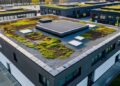
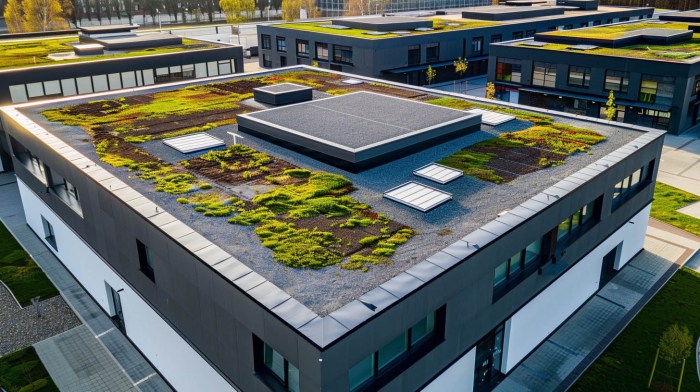
- Green roofs, also known as living roofs, are covered with vegetation that helps reduce heat absorption, lower energy costs, and improve air quality.
- They provide natural insulation, reduce stormwater runoff, and extend the lifespan of the roof.
- While green roofs may have a higher upfront cost, they can result in savings on energy bills and maintenance expenses over time.
Solar Panels
- Solar panels harness renewable energy from the sun to generate electricity for the building, reducing reliance on traditional power sources.
- They are highly durable and can last for decades, providing significant energy savings and even potential income through net metering.
- Although the initial investment can be substantial, tax incentives and rebates can make solar panels a cost-effective long-term solution.
Cool Roofs
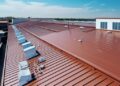
- Cool roofs are designed to reflect sunlight and absorb less heat, keeping the building cooler and reducing the need for air conditioning.
- They can lower energy consumption, decrease urban heat island effects, and improve indoor comfort for occupants.
- While cool roofs may have a moderate upfront cost, the energy savings and extended roof lifespan make them a worthwhile investment in the future.
Installation and Maintenance Practices
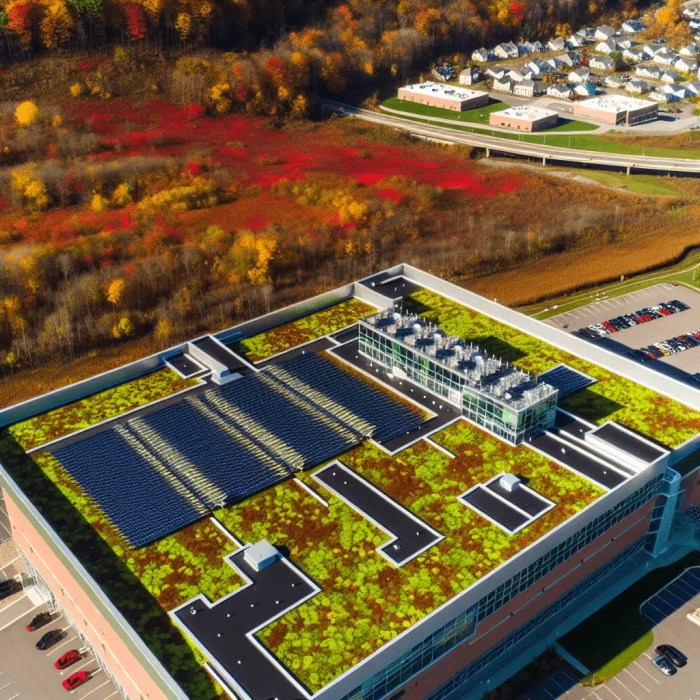
Installing and maintaining sustainable commercial roofing is crucial for maximizing its lifespan and performance. By following best practices and conducting regular upkeep, you can ensure the efficiency and longevity of your roofing system.
Best Practices for Installation
- Ensure proper insulation to improve energy efficiency and reduce heat loss.
- Choose high-quality, durable roofing materials that are specifically designed for sustainability.
- Hire experienced professionals who are knowledgeable about sustainable roofing practices.
- Follow manufacturer guidelines and recommendations for installation to prevent any issues in the future.
Regular Maintenance for Longevity
Regular maintenance is essential for preserving the integrity of sustainable roofing systems and extending their lifespan. Here are some tips for maintaining your sustainable roof:
- Inspect the roof regularly for any signs of damage, such as leaks or cracks, and address them promptly.
- Clean debris and dirt accumulation to prevent clogging and water pooling on the roof surface.
- Trim overhanging tree branches to prevent damage to the roof and minimize the risk of debris accumulation.
- Check and maintain the drainage system to ensure proper water flow and prevent water damage.
Ensuring Efficiency and Performance
To ensure the efficiency and performance of sustainable roofs over time, consider the following tips:
- Monitor energy consumption and insulation effectiveness to identify areas for improvement.
- Implement regular roof inspections and maintenance schedules to address issues promptly.
- Invest in roof coatings or sealants to enhance durability and protection against environmental elements.
- Keep records of maintenance activities and inspections to track the roof's condition and performance over time.
Environmental Impact and Energy Efficiency
Commercial roofing plays a significant role in reducing the carbon footprint and promoting energy efficiency in buildings. Sustainable roofing solutions offer various benefits that contribute to a more environmentally friendly and energy-efficient infrastructure.
Reducing Carbon Footprint
- Sustainable commercial roofing materials, such as cool roofs and green roofs, help reduce energy consumption by reflecting sunlight and reducing the urban heat island effect.
- By lowering the demand for heating and cooling, sustainable roofing solutions decrease greenhouse gas emissions associated with energy production.
- Choosing sustainable roofing options can lead to a decrease in the overall carbon footprint of a building, making it more environmentally friendly.
Energy-Saving Benefits
- Sustainable roofing materials, like solar panels and reflective coatings, can significantly reduce energy costs by improving insulation and decreasing the need for artificial heating and cooling.
- By reducing energy consumption, sustainable roofing solutions help lower utility bills and promote energy efficiency in commercial buildings.
- Investing in energy-efficient roofing can lead to long-term savings and a more sustainable operation of the building over time.
Role in Green Building Certifications
- Sustainable roofing practices are essential for achieving green building certifications, such as LEED (Leadership in Energy and Environmental Design) and Energy Star.
- By incorporating sustainable roofing solutions, commercial buildings can meet the criteria for green certifications, demonstrating a commitment to environmental responsibility and energy efficiency.
- Green building certifications not only enhance the sustainability of a structure but also increase its value and appeal to environmentally conscious tenants and investors.
Innovative Technologies in Sustainable Roofing
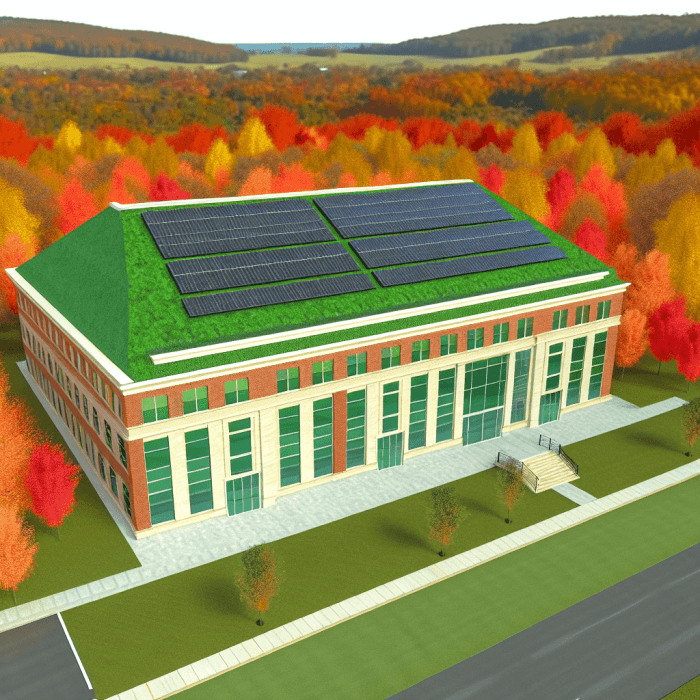
In the realm of sustainable commercial roofing, innovative technologies play a crucial role in enhancing the efficiency and effectiveness of roofing systems. These advancements not only contribute to the sustainability of buildings but also offer numerous benefits in terms of energy savings and environmental impact.
IoT and Sensors Revolutionizing Maintenance and Monitoring
The integration of Internet of Things (IoT) and sensors in sustainable roofing systems has revolutionized the way maintenance and monitoring are conducted. By leveraging IoT technology, building owners and facility managers can remotely monitor the performance of green roofs in real-time.
Sensors embedded in the roofing system provide valuable data on temperature, moisture levels, and other key parameters, allowing for proactive maintenance and timely interventions to prevent potential issues.
Integration of Renewable Energy Sources
Another significant advancement in sustainable commercial roofing is the integration of renewable energy sources. Solar panels, wind turbines, and green roofs with photovoltaic cells are being incorporated into roofing systems to harness renewable energy and reduce reliance on traditional power sources.
By generating clean and sustainable energy on-site, these technologies not only lower utility costs but also contribute to a greener and more sustainable environment.
Final Conclusion
In conclusion, sustainable commercial roofing offers a promising pathway towards a greener and more environmentally friendly future for commercial buildings. By embracing sustainable practices, utilizing eco-friendly materials, and leveraging innovative technologies, we can pave the way for a more sustainable built environment.
Let's continue to prioritize sustainability in the roofing industry and work towards a brighter, greener tomorrow.
Helpful Answers
What are the key benefits of opting for sustainable commercial roofing?
Choosing sustainable commercial roofing can lead to reduced energy costs, lower carbon footprint, increased property value, and eligibility for green building certifications.
How does regular maintenance contribute to the longevity of sustainable roofing systems?
Regular maintenance helps identify and address issues early, preventing costly repairs and ensuring the optimal performance and lifespan of sustainable roofs.
What role do green roofs, solar panels, and cool roofs play in sustainable commercial roofing?
Green roofs provide natural insulation, solar panels harness renewable energy, and cool roofs reflect sunlight, reducing the need for artificial cooling, all contributing to sustainable practices in commercial roofing.