
Energy efficient roof replacement is a crucial aspect of modern sustainability efforts, offering both economic and environmental benefits. In this detailed exploration, we delve into the world of energy-efficient roofs, shedding light on their advantages, materials, costs, installation process, and design features.
Brace yourself for an informative journey that will change the way you view roofing upgrades.
Benefits of Energy-Efficient Roof Replacement
Energy-efficient roof replacement offers various advantages that go beyond just protecting your home. Here are some key benefits:
Reduced Utility Bills
By opting for an energy-efficient roof, you can significantly lower your energy consumption. These roofs are designed to keep your home cooler in the summer and warmer in the winter, reducing the need for constant heating or cooling. As a result, you can enjoy lower utility bills and long-term savings on energy costs.
Environmental Sustainability
Energy-efficient roofs play a crucial role in promoting environmental sustainability. By reducing your energy consumption, you can help lower greenhouse gas emissions and minimize your carbon footprint. This eco-friendly approach not only benefits the environment but also contributes to a more sustainable future for generations to come.
Types of Energy-Efficient Roofing Materials
When it comes to energy-efficient roof replacements, choosing the right materials can make a significant difference in reducing energy consumption and costs. Different roofing materials offer various levels of energy efficiency, durability, and maintenance requirements.
Metal Roofing
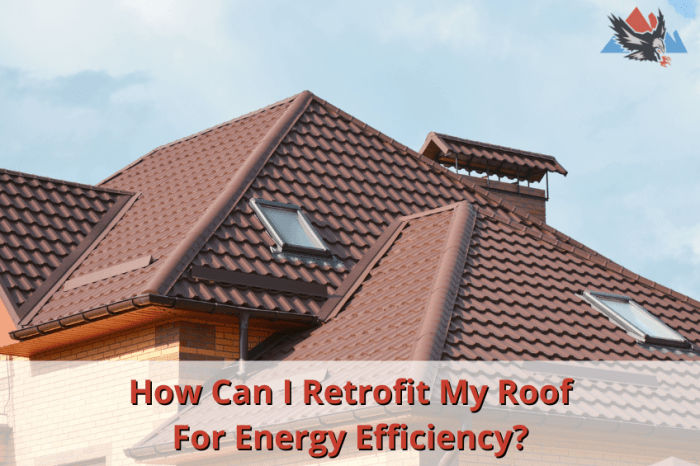
Metal roofing is a popular choice for energy-efficient roofs due to its high reflectivity and durability. It reflects solar heat, reducing the amount of heat absorbed into the building, which can lower cooling costs. Metal roofs are also long-lasting and require minimal maintenance, making them a cost-effective option in the long run.
Asphalt Shingles
Asphalt shingles are another common material used in energy-efficient roof replacements. While not as reflective as metal roofs, asphalt shingles can still be energy-efficient when installed with proper ventilation and insulation. They are a more affordable option compared to metal roofs but may require more frequent maintenance and replacement over time.
Solar Panels
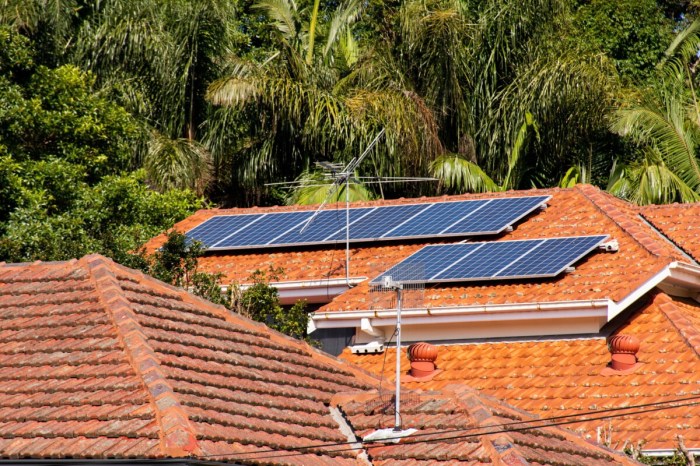
Solar panels are the most energy-efficient roofing option available. By harnessing the power of the sun to generate electricity, solar panels can significantly reduce energy costs and even allow homeowners to sell excess energy back to the grid. While the initial cost of installation can be high, the long-term savings and environmental benefits make solar panels a worthwhile investment.
Cost Considerations and Savings
When considering energy-efficient roof replacement, it is essential to understand the initial costs and potential long-term savings associated with this investment.
Initial Cost of Energy-Efficient Roof Replacements
Energy-efficient roofing materials generally come at a higher initial cost compared to traditional roofing options. The cost can vary depending on the type of material chosen, the size of the roof, and the complexity of the installation process. However, it is important to note that this initial investment can lead to significant savings in the long run.
Potential Long-Term Savings
One of the main benefits of energy-efficient roofs is the potential for long-term savings on energy bills. These roofs are designed to improve insulation and reduce heat transfer, resulting in lower heating and cooling costs throughout the year. Additionally, energy-efficient roofs are often more durable and require less maintenance, reducing repair and replacement costs over time.
Return on Investment for Energy-Efficient Roofs
While the initial cost of energy-efficient roof replacement may be higher, the return on investment can be substantial. By reducing energy consumption and lowering utility bills, homeowners can recoup the initial investment in energy-efficient roofing materials over time. In comparison, traditional roofing options may not offer the same level of energy savings and long-term benefits.
Installation Process for Energy-Efficient Roofs
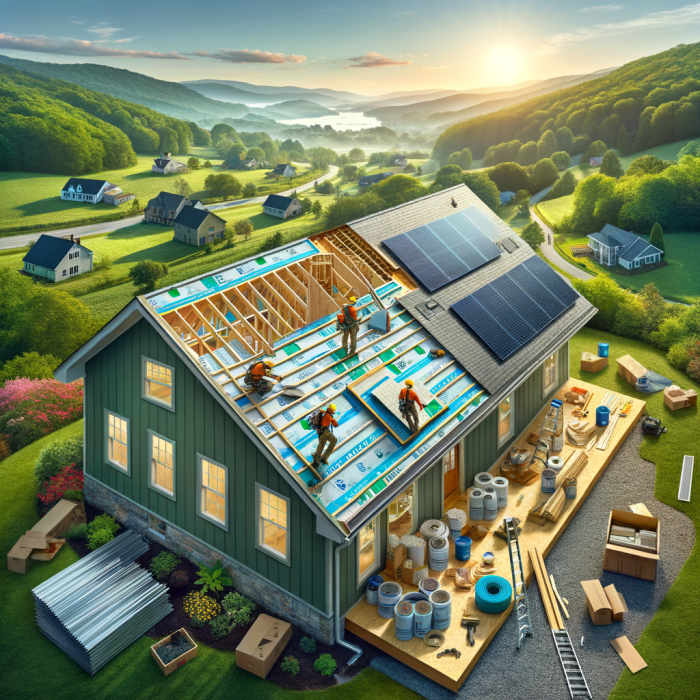
When it comes to installing energy-efficient roofs, there are specific steps that need to be followed to ensure the effectiveness of the system. This process involves specialized equipment and skills to properly install the roofing materials and optimize energy efficiency.
Let's delve into the installation process and some common considerations.
Preparation and Planning
- Before installation, a thorough inspection of the existing roof is conducted to assess any repairs or modifications needed.
- Proper planning is essential to determine the type of energy-efficient roofing materials to be used based on the climate and building structure.
- Obtain any necessary permits or approvals required for the installation process.
Removal of Existing Roofing Material
- The old roofing material is removed carefully to avoid damage to the underlying structure.
- Any repairs or reinforcement to the roof deck are completed before proceeding with the installation.
Installation of Energy-Efficient Roofing Material
- The energy-efficient roofing material, such as cool roofs or green roofs, is installed according to manufacturer guidelines and best practices.
- Specialized equipment like roofing nailers, adhesives, and safety harnesses are used during the installation process.
- Proper insulation and ventilation systems are incorporated to enhance energy efficiency and reduce heat transfer.
Quality Check and Maintenance
- After installation, a thorough quality check is conducted to ensure the roofing system is properly installed and sealed.
- Regular maintenance is essential to prolong the lifespan of the energy-efficient roof and optimize its performance.
- Address any potential issues promptly to prevent damage to the roofing system and maintain energy efficiency.
Energy-Efficient Roof Design and Features
When it comes to enhancing the energy efficiency of a roof, there are key design elements that play a crucial role. Features like insulation, ventilation, and cool roofing technologies are essential in maximizing energy savings and improving indoor comfort.
Insulation
Insulation is a critical component of energy-efficient roof design. Proper insulation helps regulate indoor temperatures by preventing heat loss in the winter and heat gain in the summer. This reduces the workload on heating and cooling systems, leading to lower energy consumption and cost savings.
Ventilation
Good ventilation is another important feature of an energy-efficient roof. It helps remove excess heat and moisture from the attic space, which can otherwise lead to issues like mold growth and reduced efficiency of insulation. Proper ventilation ensures a more comfortable indoor environment and prolongs the life of the roof materials.
Cool Roofing Technologies
Cool roofing technologies are designed to reflect sunlight and absorb less heat compared to traditional roofing materials. This helps reduce the heat island effect in urban areas and lowers the demand for air conditioning during hot weather. Cool roofs can significantly decrease energy usage and contribute to a more sustainable living environment.Overall, a well-designed energy-efficient roof with proper insulation, ventilation, and cool roofing technologies can make a significant difference in energy savings, indoor comfort, and environmental impact.
Final Conclusion
As we wrap up our discussion on energy-efficient roof replacement, it's clear that investing in such upgrades not only saves costs in the long run but also contributes to a greener future. With a focus on durability, energy savings, and eco-conscious choices, upgrading to an energy-efficient roof is a decision that benefits both homeowners and the environment.
FAQ Section
What are the key benefits of energy-efficient roof replacement?
Energy-efficient roof replacements offer reduced utility bills, environmental sustainability contributions, and enhanced home comfort.
What types of materials are commonly used in energy-efficient roof replacements?
Materials such as metal, asphalt, and solar panels are popular choices for energy-efficient roofs due to their energy-saving properties.
What are the cost considerations and potential savings associated with energy-efficient roofing?
While the initial cost may be higher, long-term savings in utility bills and increased home value make energy-efficient roofing a wise investment.
What is the installation process like for energy-efficient roofs?
The installation involves specific steps, equipment, and skills to ensure a proper and efficient energy-efficient roof replacement.
What design elements enhance the energy efficiency of a roof?
Features like insulation, ventilation, and cool roofing technologies play a vital role in maximizing energy savings and indoor comfort.