
Exploring the world of roof installation warranty services, this article delves into the importance of having a warranty for roof installation. From the different types of warranties offered to the process of claiming warranty services, this comprehensive guide provides valuable insights for homeowners seeking to protect their investment.
Importance of Roof Installation Warranty Services
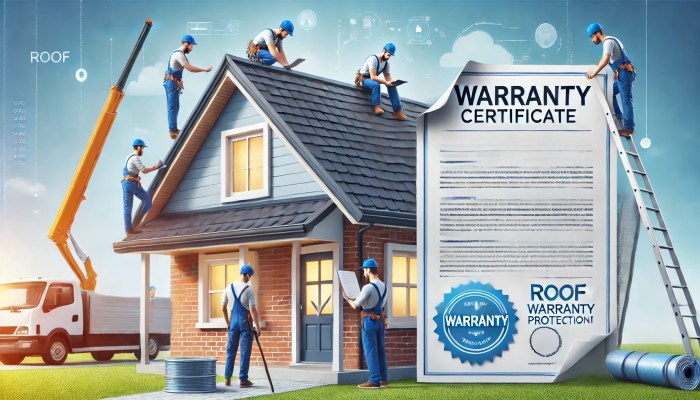
Having a warranty for roof installation is crucial for homeowners as it provides a safety net and peace of mind in case of unexpected issues or damages.
Benefits of Warranty Services
- Protection against faulty installation: A warranty ensures that any errors or defects in the installation process will be rectified by the roofing company at no additional cost to the homeowner.
- Long-term cost savings: With warranty coverage, homeowners can avoid out-of-pocket expenses for repairs or replacements that may arise due to poor installation.
- Increased property value: A warranty on roof installation adds value to the home, making it more attractive to potential buyers in the future.
Types of Roof Installation Warranties

When it comes to roof installation warranties, there are different types offered by roofing companies. It's important for homeowners to understand the options available to them and choose the most suitable warranty for their needs.
Manufacturer Warranties vs. Contractor Warranties
Manufacturer Warranties:
- Typically cover defects in materials used for the roof.
- Offer protection against issues like leaks, shingle damage, or premature wear and tear.
- Duration varies but can range from 20 to 50 years depending on the manufacturer.
- Generally, do not cover installation errors.
Contractor Warranties:
- Cover workmanship and installation errors.
- Ensure that if there are any issues with the installation, the contractor will fix them.
- Duration can vary from a few months to several years, depending on the contractor.
- May have limitations on coverage for specific issues.
Factors to Consider When Choosing a Warranty
When choosing a roof installation warranty, homeowners should consider the following factors:
Duration of the warranty
Longer warranties provide more extended protection.
Coverage
Ensure the warranty covers both materials and workmanship.
Transferability
Check if the warranty is transferable if you sell your home.
Exclusions
Be aware of any exclusions or limitations in the warranty.
Reputation
Research the manufacturer or contractor's reputation for honoring warranties.
Duration and Coverage of Roof Installation Warranties
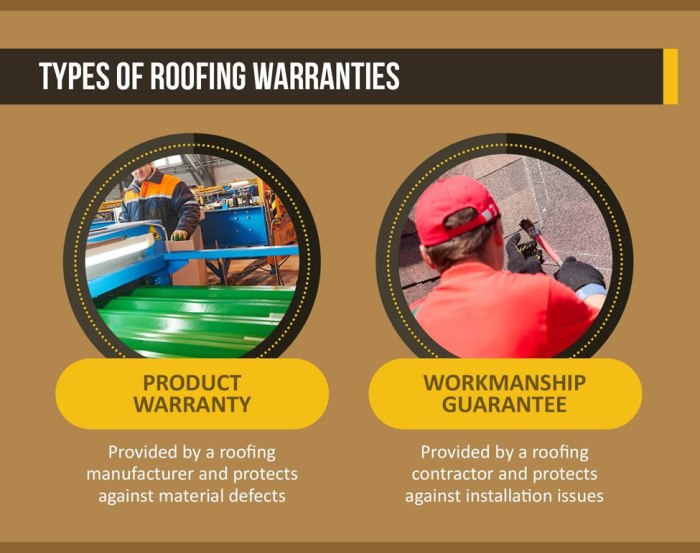
When it comes to roof installation warranties, understanding the duration and coverage is essential for homeowners. Let's delve into the typical duration of these warranties and what aspects are usually covered, as well as common exclusions to be aware of.
Duration of Roof Installation Warranties
Roof installation warranties typically range from 1 year to 25 years, depending on the type of warranty and the roofing material used. Standard warranties provided by contractors usually last between 1 to 5 years, while manufacturer warranties can extend up to 25 years or more.
It's important to carefully review the terms and conditions of the warranty to know exactly how long you are covered.
Coverage under Roof Installation Warranties
- Leakage due to improper installation
- Defects in materials used
- Workmanship errors
- Roofing system failure
- Repair or replacement costs
The coverage under roof installation warranties typically includes protection against leakage caused by improper installation, defects in materials used, workmanship errors, roofing system failure, and may cover repair or replacement costs. This coverage provides peace of mind to homeowners knowing that they are protected in case of any issues arising from the installation.
Common Exclusions in Warranty Coverage
- Damage from natural disasters (e.g. hurricanes, earthquakes)
- Lack of maintenance
- Unauthorized repairs or modifications
- Normal wear and tear
- Damage from pests or rodents
While roof installation warranties offer valuable protection, there are common exclusions to be aware of. These may include damage from natural disasters, lack of proper maintenance, unauthorized repairs or modifications, normal wear and tear, and damage caused by pests or rodents.
It's important to understand these exclusions to avoid any misunderstandings in the future.
Process for Claiming Warranty Services
When it comes to claiming warranty services for your roof installation, there are specific steps homeowners need to follow to ensure a smooth process.
Required Documentation for Filing a Warranty Claim
- Proof of purchase or installation contract
- Copies of any inspection reports or maintenance records
- Clear photos of the issue or damage
- Contact information for the original installer
Tips for Expediting the Warranty Claim Process
- Submit all required documentation promptly
- Communicate clearly with the warranty provider
- Follow up on the status of your claim regularly
- Be prepared to answer any additional questions or provide more information if needed
Summary

In conclusion, roof installation warranty services offer homeowners the assurance and coverage they need to safeguard their roofs. By understanding the different types of warranties available and the steps to take in claiming warranty services, homeowners can make informed decisions to ensure their peace of mind.
Key Questions Answered
What does a roof installation warranty cover?
A roof installation warranty typically covers defects in materials or workmanship for a specified period after installation.
Are all roof installation warranties the same?
No, there are different types of warranties offered by roofing companies, including manufacturer warranties and contractor warranties, each with varying coverage and duration.
What should homeowners consider when choosing a warranty?
Homeowners should consider factors such as the duration of the warranty, coverage details, and any exclusions that may impact their decision.
How long do roof installation warranties typically last?
Roof installation warranties usually last anywhere from 1 year to 25 years, depending on the type of warranty and the roofing company.
What is the process for claiming warranty services?
Homeowners need to contact the roofing company, provide necessary documentation, and follow specific steps Artikeld by the company to claim warranty services.